
Your groceries are on the shelf, your time is running out, and your card hits the terminal with a harsh “Declined.” This sudden stop is more than an inconvenience; it’s a genuine source of stress. Understanding how to fix frozen bank card issues is the fastest way to regain control of your finances without visiting a branch. Whether it’s a temporary security measure or a system error, knowing the immediate steps to take can save you from days of frustration.
Quick Takeaway: To resolve a locked card immediately, dial the customer service number on the back of your card. Ask the representative to verify your identity and lift the card security freeze or PIN lock removal restrictions directly over the phone.
In the following guide, you will discover the specific bank card locked reasons that trigger these blocks. You’ll learn exactly how to unfreeze debit card online using your mobile app, as well as alternative methods when digital access fails. By the end, you’ll know precisely how to reactivate frozen credit card access and protect your account from future interruptions caused by bank fraud detection systems.
Common Reasons Why Your Bank Card Gets Locked
Understanding why your card stops working is the first step toward resolving the issue. Most card locks are not technical errors but rather security measures designed to protect your funds. When a bank detects unusual activity, it automatically triggers a card security freeze to prevent unauthorized transactions.
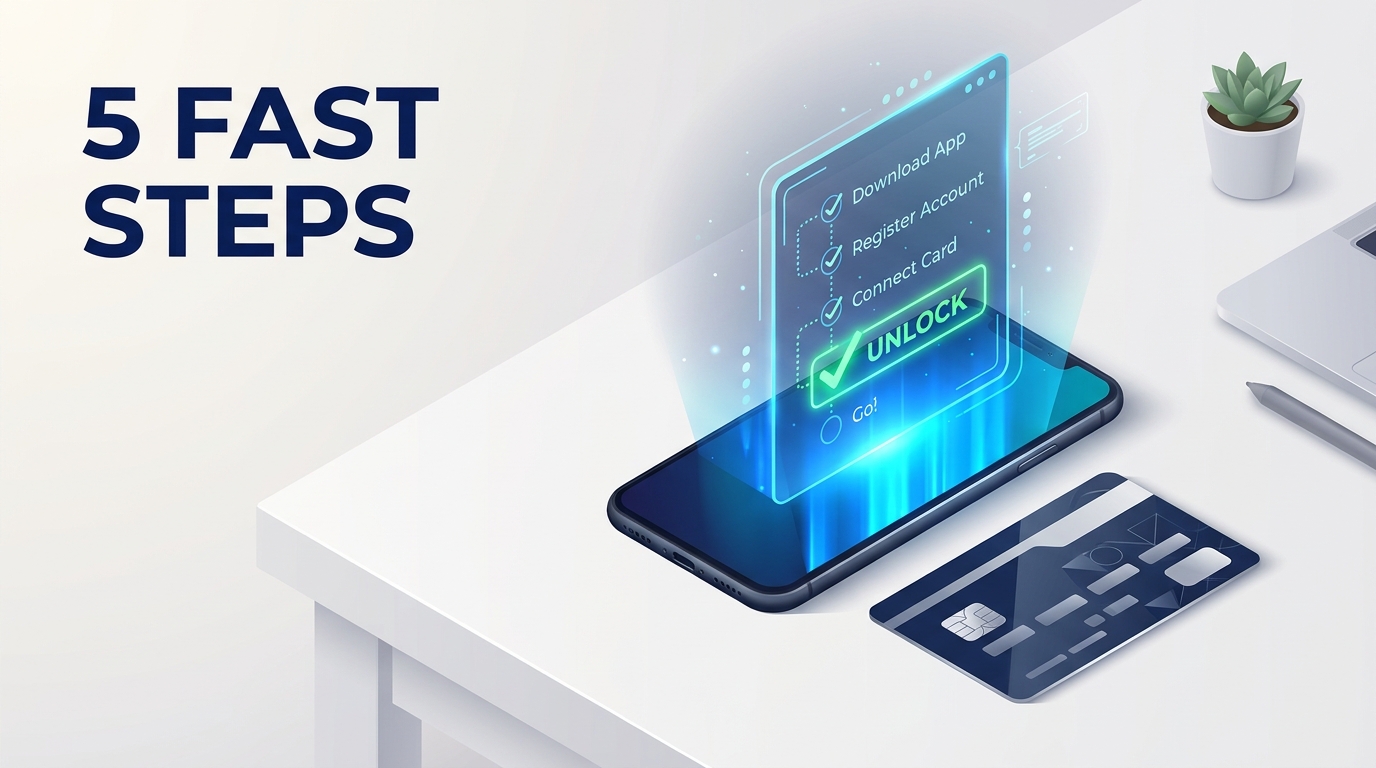
Knowing the specific trigger helps you choose the fastest route to restore access. Whether you need to unfreeze debit card online or call support, identifying the cause saves valuable time.
Security-Related Locks
These are the most frequent causes of a frozen card. They stem directly from the bank’s bank fraud detection systems.
-
- Multiple PIN failures: Entering the wrong code three times usually triggers an immediate PIN lock removal requirement.
- Unusual spending patterns: Large purchases or transactions in a different region can flag your account.
- Suspected card cloning: If the bank detects duplicate card numbers in the wild, it will lock yours instantly.
Pro Tip: If you suspect fraud, do not just unlock the card. Report any missing transactions immediately while you are on the line with customer service.
Technical and Administrative Issues
Sometimes, the lock has nothing to do with security. These issues are often administrative or related to account status.
-
- Expired card: The magnetic strip and chip stop working after the printed expiration date.
- Dormancy: Accounts with no activity for a set period may be temporarily suspended.
- Incorrect address or details: Mismatched billing information can cause verification failures.
If you are dealing with an administrative lock, such as a missed payment, it is wise to review your financial obligations. For context on managing these obligations, consider reading a guide on how to calculate monthly debt payment to ensure future bills are covered on time.
| Category / Scenario | Timeline / Key Factor | Action Required |
|---|---|---|
| Failed PIN Attempts | Immediate (3 tries) | Use app or call to reset |
| Suspicious Activity | Real-time detection | Verify identity via phone/app |
| Expired Card | Post-expiration date | Request new physical card |
| Dormant Account | 6-12 months inactive | Make a deposit or call bank |
By distinguishing between security locks and administrative holds, you can avoid unnecessary stress. Most reactivate frozen credit card issues can be resolved quickly if you know exactly what triggered the lock.
Step-by-Step Guide to Unfreeze Your Card Online
The most efficient way to resolve a sudden lock is through your bank’s digital banking platforms. Most major financial institutions now offer instant self-service tools that bypass long phone queues. These systems allow you to verify your identity and unlock your card in under two minutes. This method is ideal when you need to make an immediate purchase or withdrawal.
It is crucial to know if your specific bank supports this feature. While most large banks have these tools, some smaller credit unions may require a phone call. Check your app’s “Card Services” or “Security” section first. If the option is visible, proceed with the steps below for immediate resolution.
Using Mobile Banking Apps
Mobile apps are typically the fastest route to unfreeze debit card online status issues. The interface is designed for quick navigation and real-time updates. Follow these precise steps to restore access:
-
- Open your bank’s mobile application and log in with your username and password.
- Navigate to the Cards or Account Overview section.
- Select the specific card that is currently locked or frozen.
- Look for a button labeled “Unlock,” “Reactivate,” or “Security Settings.”
- You will likely be prompted to verify your identity via a one-time passcode (OTP).
- Confirm the action by tapping the final confirmation button.
Once confirmed, the system processes the change instantly. You should see a status update indicating the card is active again. Test the card with a small transaction to ensure it works before relying on it for larger purchases.
Pro Tip: Enable biometric login (fingerprint or face ID) in your app settings. This speeds up the initial login process, reducing the total time needed to resolve a PIN lock removal issue during high-stress moments.
Via Online Banking Portal
If you do not have your phone, the desktop website is a reliable alternative. The layout may differ slightly from the app, but the functionality remains similar. This method is often better if you are already logged into your account on your computer.
-
- Log in to your bank’s official website using a secure browser.
- Go to the Accounts tab and select the affected account.
- Click on the Card Management or Security link.
- Locate the frozen card in the list of active instruments.
- Select the Unlock or Reactivate option.
- Complete any required security questions to verify your identity.
The website provides a more detailed view of why the card was locked. You can often see the specific trigger, such as a failed PIN lock removal attempt or flagged bank fraud detection activity. Understanding the cause helps you confirm that the issue is resolved and prevents immediate re-locking.
| Method | Speed | Identity Verification | Best For |
|---|---|---|---|
| Mobile App | Fastest | Biometric/OTP | Immediate access |
| Web Portal | Fast | Password/OTP | Detailed review |
Always ensure you are accessing the legitimate bank website or app to protect your data. Phishing sites mimic these interfaces to steal credentials. Type the URL directly or use a bookmarked link to stay secure.
Alternative Methods When Online Access Fails
Sometimes, technical glitches, expired passwords, or complex fraud flags prevent you from using digital channels. In these situations, it is critical to switch to traditional communication methods to restore access quickly. Relying solely on an app can leave you stranded if the system cannot verify your identity remotely.
Having multiple contact methods ready ensures you can resolve a card security freeze regardless of your location or device status. Do not panic if the online portal is unresponsive; banks have robust offline protocols for exactly these scenarios.
Calling Customer Support
The fastest alternative to digital tools is usually a direct phone call. Most banks offer 24/7 support lines specifically for card issues and bank fraud detection alerts. When you call, have your account number, ID, and recent transaction history on hand to speed up verification.
-
- Locate the customer service number on the back of your card.
- Be prepared to answer security questions related to your recent activity.
- Request a PIN lock removal if the issue stems from repeated incorrect entries.
- Ask the representative to document the resolution for your records.
Pro Tip: If you are calling from a phone that is not registered on your account, expect a longer verification process. Using your registered mobile number allows for faster authentication via one-time passcode (OTP).
While you are dealing with immediate banking disruptions, it is also wise to review your broader financial stability. Understanding how your retirement funds grow can provide context for your long-term security. For instance, knowing what is 401k vesting schedule helps you understand when your employer contributions become fully yours, ensuring your overall financial picture remains clear even during short-term banking hiccups.
Visiting a Local Branch
If phone support cannot resolve the issue, visiting a local branch is the most definitive solution. In-person verification often bypasses strict digital security protocols, allowing staff to manually override certain locks. This is particularly useful if your identity has been flagged for serious fraud concerns.
-
- Bring a valid government-issued photo ID.
- Carry your frozen card and any related bank statements.
- Ask to speak with a branch manager or security specialist if the teller cannot help.
- Confirm that the reactivate frozen credit card process is complete before leaving.
| Method | Best For | Average Wait Time |
|---|---|---|
| Phone Support | Simple PIN errors, quick unlocks | 10–20 minutes |
| Branch Visit | Identity verification, complex fraud flags | 30–60 minutes |
By diversifying your approach, you minimize downtime and ensure continuous access to your funds.
Preventing Future Card Freezes and Locks
While knowing how to fix a frozen bank card is essential, the best approach is prevention. A proactive mindset saves you the stress of immediate access issues. By adopting smart security habits, you significantly reduce the likelihood of accidental locks.
These small adjustments create a buffer against common triggers for card security freeze protocols. They ensure your financial tools remain accessible when you need them most.
Best Practices for Card Security
Modern banking systems rely heavily on bank fraud detection algorithms. These systems monitor for unusual activity patterns that might indicate theft. To keep your card active, align your usage with what the system considers “normal.”
-
- Update your contact details regularly: Ensure your phone number and email are current so the bank can verify you instantly.
- Avoid rapid-fire transactions: Spacing out purchases helps prevent the system from flagging you as a potential bot or fraudster.
- Report lost cards immediately: If a card is misplaced, notify your bank right away to trigger a PIN lock removal or block before unauthorized use occurs.
- Verify online purchases: Double-check merchant names and amounts to avoid accidental double-charges that trigger alerts.
Pro Tip: Enable biometric authentication on your mobile banking app. This adds a layer of security that makes it harder for fraudsters to bypass standard login credentials, reducing the chance of your account being flagged for suspicious login attempts.
Maintaining Account Health
Technical glitches and account irregularities can also cause unexpected locks. Keeping your financial profile clean ensures smooth transactions.
| Action | Benefit |
|---|---|
| Monitor balances daily | Catch discrepancies before they escalate |
| Update app software | Fix bugs that might cause connection errors |
| Check expiration dates | Prevent declines due to outdated cards |
Regularly reviewing your statements helps you spot bank card locked reasons early. For instance, if you notice a pending charge you don’t recognize, address it immediately. This prevents the bank from initiating a full reactivate frozen credit card process later.
Consistency is key. When your spending habits are predictable, the risk of false positives drops. This ensures that when you swipe, tap, or pay online, the transaction goes through smoothly. Peace of mind comes from knowing your setup is robust.
When to Request a New Card Instead
Sometimes, the quickest solution to a blocked payment method is not to restore the existing one. While knowing how to fix frozen bank card issues is essential for minor glitches, certain situations demand a hard reset.
If your card has been physically damaged, its magnetic stripe is scratched, or the chip is broken, software fixes will not work. Additionally, if the bank fraud detection system flags your account for high-risk activity that you cannot verify, the bank may refuse to lift the freeze.
In these cases, requesting a new card ensures long-term security and functionality. It provides a fresh security environment, eliminating any lingering vulnerabilities associated with the old card number.
Signs of Compromise
You should immediately request a replacement if you notice any of the following indicators. These signs suggest that your card details may have been stolen or tampered with.
-
- Unauthorized transactions appear on your statement.
- You receive multiple alerts for failed attempts in different locations.
- The card is physically bent, cracked, or the chip is missing.
- You have lost the card and cannot confirm its location.
- Identity theft attempts involving your account information.
If you suspect your data has been exposed, simply removing a PIN lock or lifting a card security freeze is insufficient. The criminal may still possess your card number, expiration date, and CVV code.
The Replacement Process
Most institutions allow you to order a new card through their mobile app or website. This process typically takes a few minutes to initiate.
- Log in to your banking portal.
- Navigate to the “Cards” or “Account Services” section.
- Select the compromised card and choose “Replace” or “Reissue.”
- Confirm the reason for replacement (lost, stolen, or damaged).
Pro Tip: Always verify the shipping address before confirming the order. If you have recently moved, ensure your bank has your current address to avoid delays in receiving your new card.
Once the request is submitted, the old card is permanently deactivated. You will receive a new card with a different number and expiration date. This step is crucial for reactivating your financial peace of mind without leaving the old, compromised credentials active in the market.
Frequently Asked Questions
Q: Why is my debit card locked for suspicious activity?
Your bank’s automated bank fraud detection systems likely flagged transactions that deviate from your typical spending patterns, such as unusually high amounts or rapid purchases in different geographic locations. This card security freeze is a protective measure to prevent unauthorized access and potential loss of funds. You can usually resolve this by logging into your mobile banking app to verify the transactions and approve them, which often triggers an immediate PIN lock removal or unlock.
Q: Can I unfreeze a credit card online instantly?
Yes, you can often unfreeze debit card online or unlock a credit card immediately through your bank’s mobile app or website if the lock was triggered by a PIN error or a temporary security flag. However, if the freeze resulted from a reported theft or severe bank card locked reasons involving fraud, online reactivation may be disabled to ensure your account security. In these cases, you must contact customer support to manually reactivate frozen credit card status or issue a replacement.
Q: What happens if I enter the wrong PIN too many times?
Entering an incorrect PIN three to five times typically triggers an automatic PIN lock to protect your account from brute-force attempts by unauthorized users. This lock usually lasts for a specific period, such as 24 hours, or until you manually reset it through your banking portal or customer service. To avoid this, double-check your PIN before submitting it and consider using contactless payments or tokenized digital wallets when available.
Q: How long does it take to get a new card after a freeze?
If your card is compromised and requires replacement, most major banks offer expedited shipping that delivers a new card within three to five business days. Standard shipping options may take seven to ten business days, but you can often use your existing card number for online purchases and automatic payments during the wait period if the card was not physically stolen. Always confirm specific delivery timelines with your financial institution, as processing times can vary based on your current account status and shipping location.

Conclusion
A frozen bank card is an immediate financial obstacle, but it is rarely a permanent one if you respond with the right strategy. Understanding why your card was locked is the first critical step, whether the issue stems from suspicious activity, excessive fees, or simple administrative errors. By acting quickly, you can often resolve the situation before it impacts your daily transactions or credit standing.
Knowing how to fix a frozen bank card efficiently saves you time and stress. Start by contacting your bank’s customer service immediately, as they hold the specific details of the freeze. Simultaneously, verify your recent transactions to rule out fraud, which may require a formal dispute process. If the freeze results from a limit increase or new account opening, patience is key, as these checks can take up to 24-48 hours to clear. Always keep your contact information up to date to ensure you receive alerts about account status changes.
Do not ignore repeated notifications, as prolonged inaction can lead to further restrictions. Proactive communication with your financial institution demonstrates responsibility and often speeds up the resolution process. If you are unsure about the next steps, check your bank’s online portal for specific instructions or schedule a meeting with a local branch advisor.
We value your experience with this issue. Have you ever dealt with a frozen card? Share your tips or questions in the comments below to help others navigate this frustrating process.
Disclaimer: This guide is intended for informational and educational purposes only and does not constitute formal legal, financial, or tax advice. Always consult with your institution or a qualified professional for individual guidance.